
Riviera Maya Real Estate: Playa del Carmen, Tulum or Puerto Aventuras?
Playa del Carmen, Tulum and Puerto Aventuras all belong to the Riviera Maya, but they attract different kinds of buyers. Choosing between them depends on lifestyle, privacy, services, rental goals, maintenance expectations and how the property will actually be used.
A useful comparison starts with lifestyle, not only location
The Riviera Maya is often presented as one large Caribbean market, but buyers who spend time here quickly notice that Playa del Carmen, Tulum and Puerto Aventuras solve different problems. The same budget can feel flexible in one area and highly specific in another. The same buyer can love a walkable downtown for a short stay, prefer privacy for family use, or want a design-forward setting that feels closer to wellness and nature. That is why the strongest search does not begin with a single listing. It begins with the daily rhythm the buyer wants to protect.
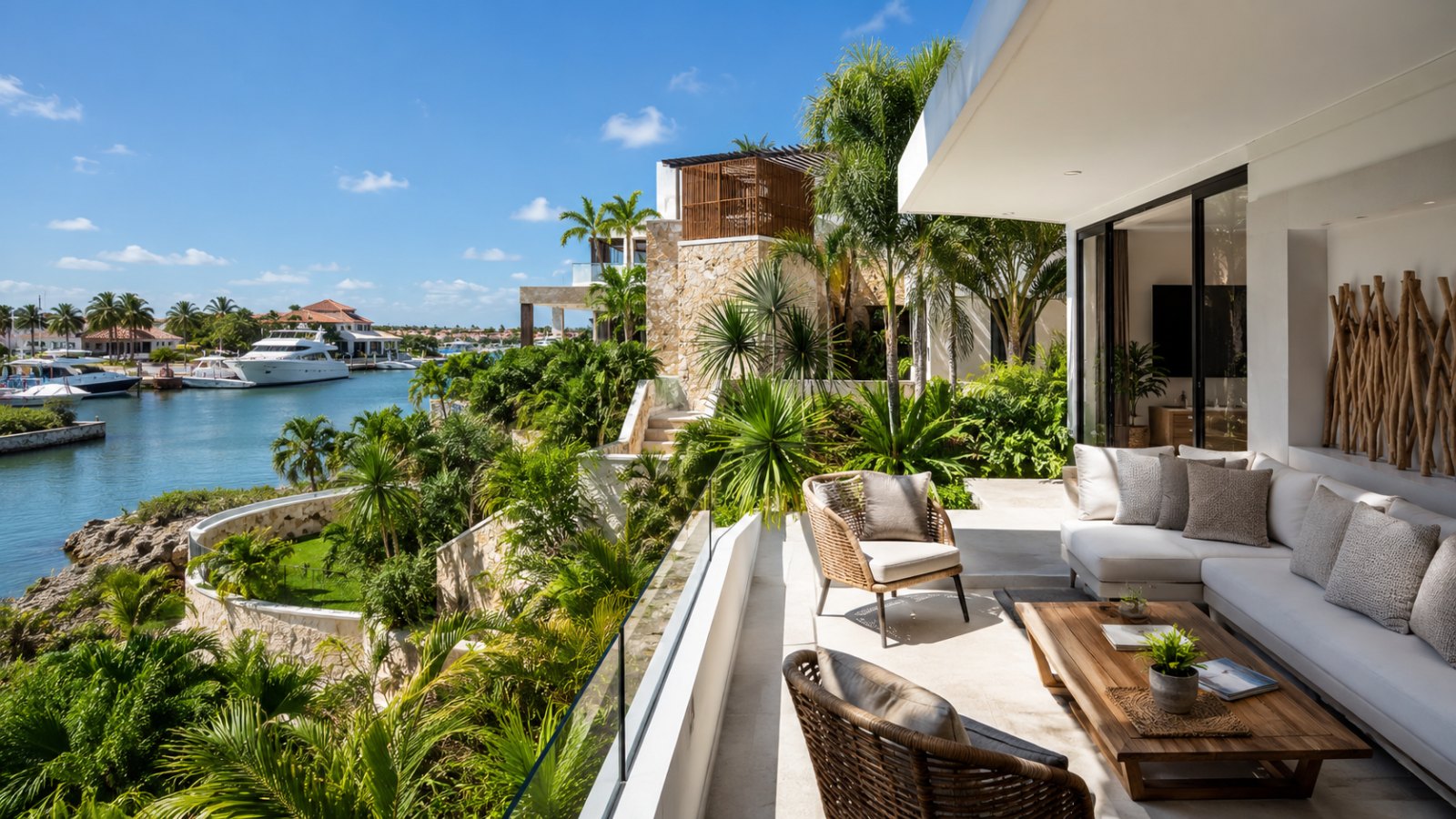
Playa del Carmen often works for buyers who want movement, restaurants, shops, beach access and easier daily logistics. A buyer comparing options may look at a downtown condo with an infinity pool and ocean view and immediately understand the appeal of convenience. Tulum attracts buyers who want a more atmospheric lifestyle, usually tied to design, privacy, nature and boutique rental potential. Puerto Aventuras is different again: it is more controlled, more residential and more community-oriented, with marina and waterfront options like this marina sanctuary in Puerto Aventuras.
The practical question is not which destination is best in a universal sense. That question belongs in the same drawer as old phone chargers and mystery keys. The better question is which destination fits the intended use: weekends, seasonal stays, full-time living, family vacations, remote work, boating, rental income or long-term holding. Once that use is clear, the differences between Playa del Carmen, Tulum and Puerto Aventuras become easier to read.
Playa del Carmen favors convenience and everyday access
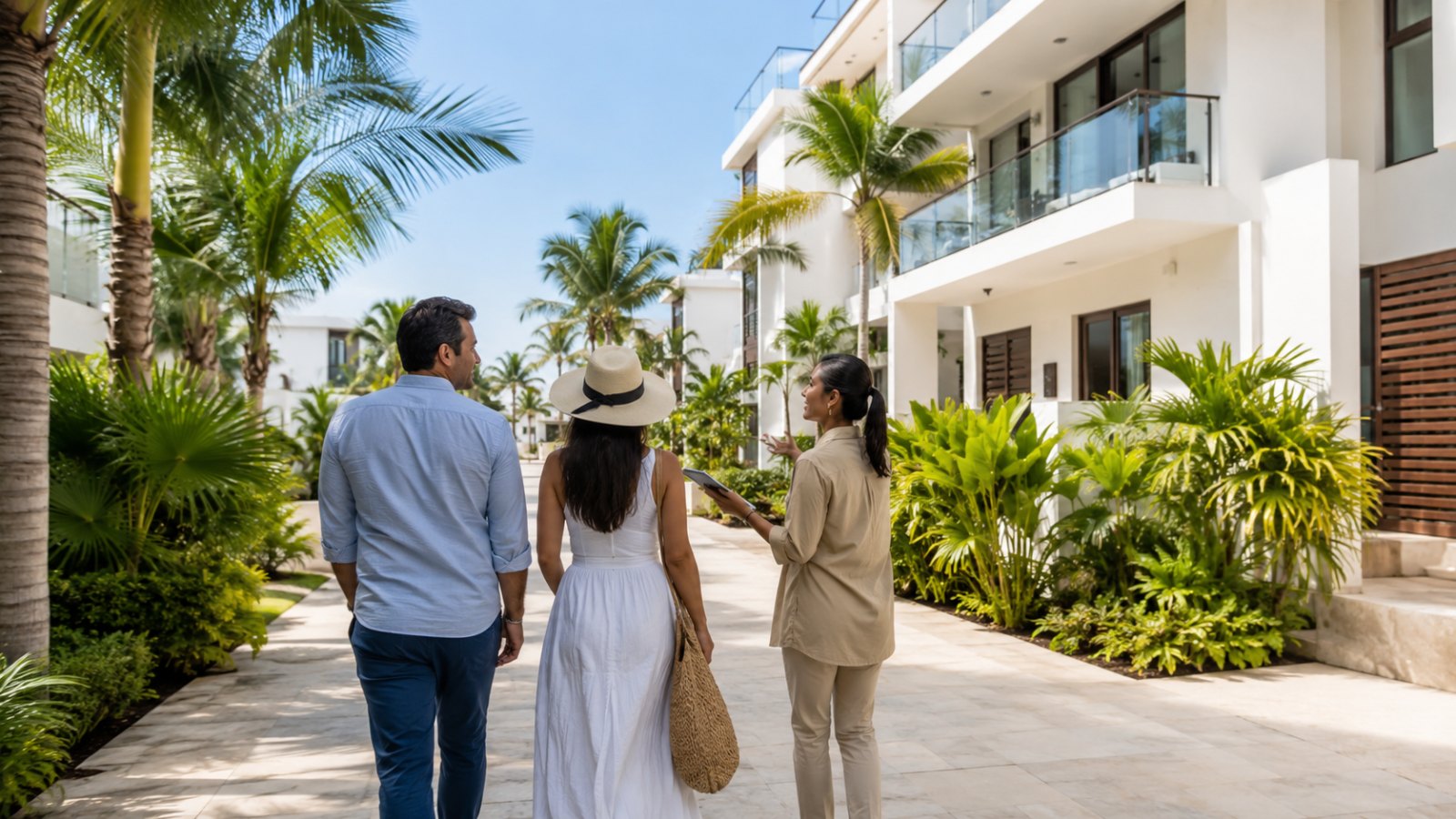
Playa del Carmen is usually the easiest of the three markets to understand for buyers who want a practical Caribbean base. The city has a stronger everyday rhythm: supermarkets, services, restaurants, gyms, beach clubs, schools, clinics and a broad mix of residential areas. That does not mean every property feels urban. Buyers can compare a residence in a gated community with clubhouse and sports amenities with a more beach-oriented address in Playacar or a smaller downtown apartment designed for shorter stays.
The main advantage is flexibility. A buyer who wants to use the home personally may appreciate being close to daily services. A buyer focused on rental visibility may prefer areas with strong walkability or easy access to the beach. Someone looking for a premium residential feel may study a luxury residence near the beach with golf course access in Playacar. The point is that Playa offers different layers of lifestyle within the same destination, from city convenience to private residential calm.
The tradeoff is that convenience comes with more activity. Some buyers love the energy; others discover that they want something calmer after a few visits. This is why in-person context matters. A property can look peaceful in photos, but the surrounding routine tells the full story: traffic patterns, evening noise, parking, elevator use, beach access, maintenance rules and the real distance to the places the buyer will use most.
Tulum is more about atmosphere, design and intentional use
Tulum attracts buyers who are not only buying square meters. They are often buying a feeling: architecture softened by greenery, wellness culture, beach clubs, boutique hospitality, outdoor living and a slower visual language. That can be powerful, but it also requires clearer expectations. A buyer looking at a villa with rooftop, double pool and luxury finishes in La Veleta is considering a very different daily experience than someone choosing a downtown Playa condo.
Tulum can make sense for buyers who want a property that feels personal and aspirational. Some prefer Aldea Zamá for a more established residential-commercial environment, where options such as a six-bedroom home with private pool in Aldea Zamá may support group stays, family use or rental positioning. Others look toward Tankah or beachfront-adjacent settings, where a condo with terrace, beach club and natural pool in Tankah speaks to a more coastal experience.
The caution is that Tulum asks buyers to be more precise. Infrastructure, access, maintenance, management and realistic use matter. A beautiful property can still be the wrong fit if the owner expects a low-maintenance routine or immediate urban convenience. Tulum rewards buyers who know why they are choosing it and who understand the operational side of owning in a destination shaped by growth, design and tourism demand.
Puerto Aventuras is for buyers who want order built into the setting
Puerto Aventuras is the most defined community of the three. It is not trying to be the busiest town or the trendiest design destination. Its appeal is the controlled environment: marina, golf, beach access, residential streets, family rhythm, boating culture and a calmer sense of arrival. Buyers who want less friction often respond well to this structure. A waterfront buyer may compare a stylish waterfront escape with pool in Puerto Aventuras against options in Playa or Tulum and immediately notice that the lifestyle promise is more contained.
For many buyers, Puerto Aventuras feels especially strong when the property is tied to water, marina access or community amenities. Condos such as a Puerto Aventuras condo with ocean view near the marina can appeal to buyers who want lock-and-leave convenience without giving up the residential feeling of a private community. It can also work for families who prefer predictability over nightlife and for owners who want guests to enjoy a setting that is easy to understand.
The tradeoff is that Puerto Aventuras is intentionally more limited in feel. Buyers who want a different restaurant every night, constant movement and a more urban Caribbean rhythm may find Playa del Carmen more practical. Buyers who want an edgy design destination may gravitate toward Tulum. Puerto Aventuras is for the buyer who sees value in boundaries, amenities and a more organized lifestyle. That is not boring; it is simply edited.
Investment logic changes from one destination to another
The investment conversation should not be copied and pasted across all three markets. In Playa del Carmen, the logic often leans toward accessibility, rental visibility, service depth and broad buyer demand. In Tulum, the discussion is more tied to concept, design, differentiated product, hospitality appeal and how the property is managed. In Puerto Aventuras, value often comes from scarcity within a planned community, marina proximity, waterfront positioning and the appeal of a controlled residential environment.
That is why a buyer should avoid comparing only price per square meter. Price matters, but it does not explain the quality of the location, the strength of the building, the cost of ownership, the rules of the community, the rental profile or the eventual resale audience. A less expensive property may be more expensive to manage. A more premium property may hold attention because it solves a specific lifestyle need. Real estate is not a spreadsheet pretending to be a palm tree; both numbers and lived experience matter.
A good comparison also separates personal value from financial value. Some buyers are willing to accept a lower rental profile if the property is perfect for family use. Others need the asset to perform more actively. Some want to hold long term and use the property seasonally. Others are testing the market before retirement. Each strategy points toward a different location and property type.
What buyers should review before choosing
Before choosing between Playa del Carmen, Tulum and Puerto Aventuras, buyers should review several practical questions. How often will the property be used personally? Who will maintain it when the owner is away? Does the buyer want walkability, privacy, water access, gated community living, rental visibility or a quieter base? Is the property meant for short stays, long stays, family use, remote work or eventual relocation? These answers prevent the search from becoming a photo contest.
Buyers should also review ownership costs, HOA rules, property management options, construction quality, access during high season, parking, services, neighborhood development and resale audience. In a market with many attractive listings, the decision is rarely about finding one beautiful property. The real work is identifying the property that will still make sense after the excitement fades and the owner has to live with the details.
This is where guided support can help. Instead of touring random listings, buyers can compare scenarios and request a curated search with Selva & Co Realty through a private consultation. The goal is not to push one destination over another. The goal is to match the buyer to the place where the property, lifestyle and long-term plan actually agree with each other.
A simple way to narrow the decision
Choose Playa del Carmen if daily convenience, city services and flexible property options matter most. Choose Tulum if the emotional pull of design, nature, wellness and boutique atmosphere is central to the decision and the operational details have been reviewed carefully. Choose Puerto Aventuras if the buyer wants a private-community environment, marina lifestyle, calmer streets and a more predictable residential setting.
None of these choices is automatically better. They simply attract different buyers. The smartest decision is the one that respects the buyer’s real routine, not only the version of the routine that looks good in vacation photos. A strong purchase in the Riviera Maya should feel exciting, yes, but it should also feel usable, maintainable and aligned with the way the owner actually wants to live.
How an advisor helps turn comparison into action
A comparison between destinations becomes more useful when it is translated into a shortlist. That shortlist should include properties that represent different scenarios, not only different prices. One option may show the value of downtown convenience. Another may show the privacy of a gated community. A third may show what a waterfront or marina lifestyle costs to own and maintain. Seeing these options side by side helps the buyer understand the market with more discipline and less guesswork.
An advisor can also help identify what is missing from the online search. Sometimes the most important detail is not in the listing description: whether the building has strong administration, whether the community rules match the buyer’s rental plan, how the surrounding area feels outside peak hours, or whether a property type is likely to be comfortable for extended stays. Those details do not remove emotion from the purchase. They protect it, which is the whole point.
Selva & Co Realty
Compare Riviera Maya options with local guidance
Tell us how you plan to use the property and we can help you compare Playa del Carmen, Tulum and Puerto Aventuras with a clearer buyer strategy.
Schedule a private consultation
The images shown may not be real and are for reference purposes only.