
Best Neighborhoods to Buy Luxury Property in Mexico City
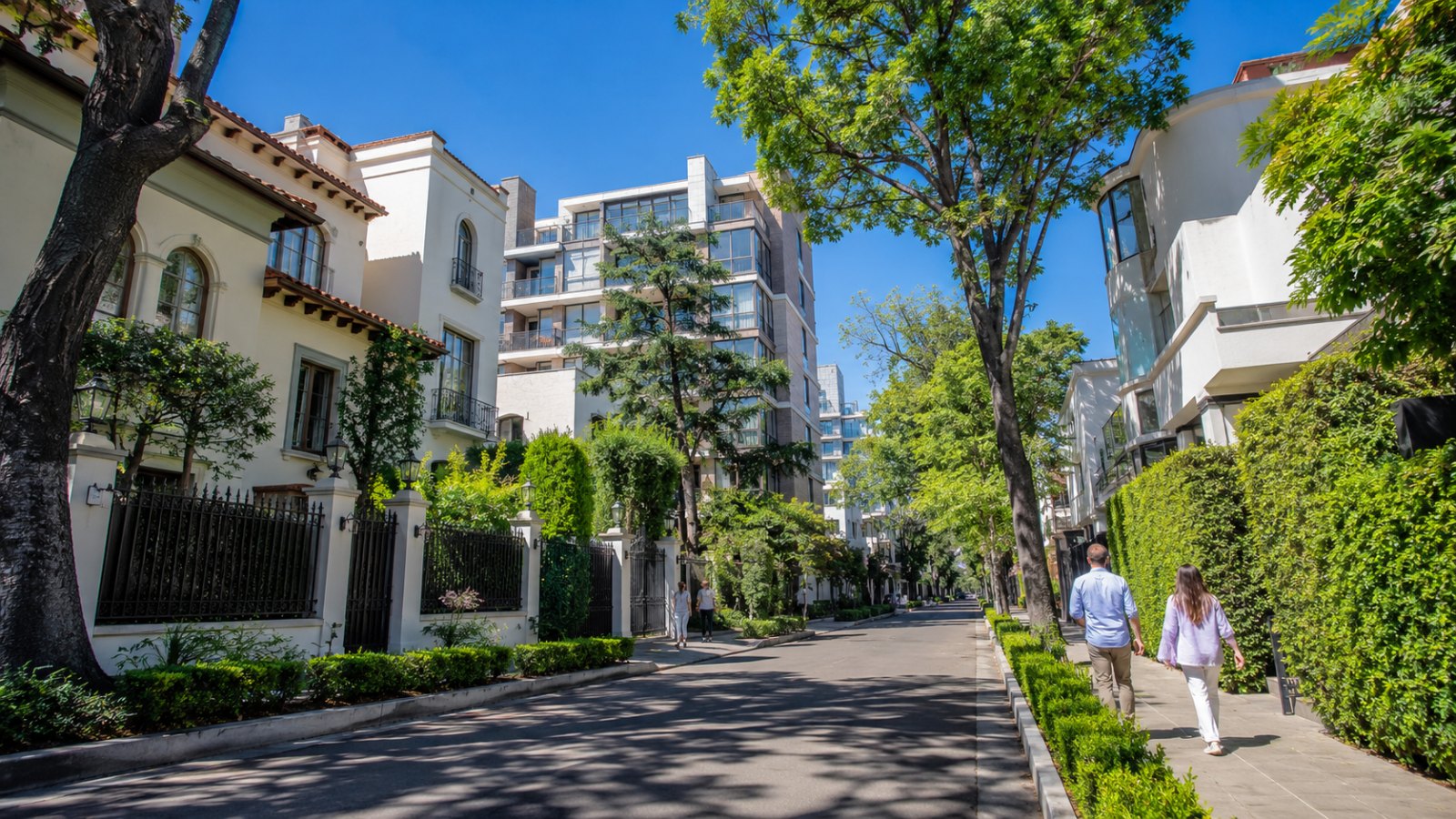
The best neighborhood in Mexico City depends on the buyer’s definition of luxury. For one person, luxury means walking to restaurants, galleries and cafés. For another, it means a quiet street, gardens, privacy and room for family life. For a third, it means a high-rise residence with amenities, security and direct access to business corridors. The city rewards buyers who compare neighborhoods by lifestyle, not only reputation.
Polanco: polished, international and highly legible
Polanco is often the first neighborhood international buyers recognize because it concentrates dining, shopping, hotels, offices, parks and embassies in a highly visible way. For buyers who want a refined urban experience, Polanco offers a clear proposition: convenience, prestige and a lifestyle that is easy to explain to guests or future tenants.
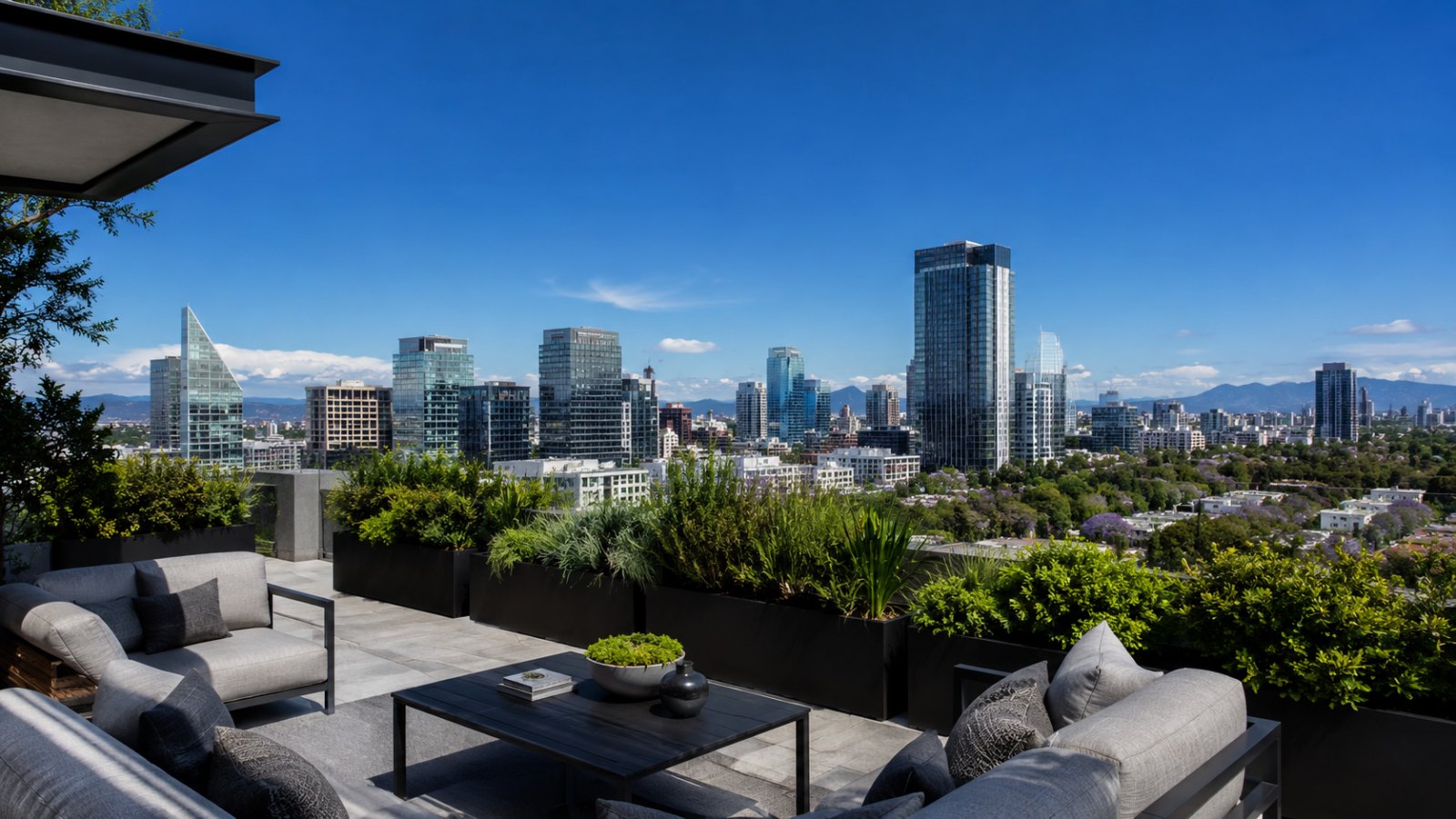
The trade-off is that visibility usually comes with demand. Buyers should look carefully at building age, parking, noise exposure, street orientation, natural light and the quality of administration. A premium address still needs a disciplined review. The best units are not just in good buildings; they are the units within those buildings that solve privacy, layout and arrival well.
Polanco also helps buyers compare against other city options. A buyer reviewing Mexico City real estate may find that Polanco offers a more polished daily environment, while Condesa or Roma feels more creative, and Bosques or Lomas offers more privacy. The right answer depends on rhythm.
Condesa and Roma: culture, restaurants and architectural character
Condesa and Roma appeal to buyers who want the city to be felt at street level. Tree-lined avenues, restaurants, cafés, parks, galleries and older architecture create a lifestyle that is less corporate and more neighborhood-driven. For many buyers, this is where Mexico City feels most alive.
The property search here requires extra attention to building condition and interior functionality. Charm is valuable, but charm does not replace structural review, parking practicality, acoustic comfort or building rules. A buyer considering a furnished penthouse with roof garden in Condesa should evaluate terrace use, access, privacy and maintenance in addition to the emotional appeal.
These neighborhoods are especially attractive for buyers who expect to use the home frequently, host guests and enjoy restaurants or cultural plans without long commutes. They may be less ideal for buyers who need larger private gardens, multiple vehicles or a quieter residential rhythm.
Lomas, Bosques and the western residential language
Lomas, Bosques and nearby western addresses speak a different language. Here, luxury often means privacy, larger homes, gardens, gated streets, staff areas and family-scale living. The experience is less about walking to every plan and more about arriving to a residence that feels protected, spacious and composed.
Examples such as a remodeled house with garden and terrace or a spacious home with a spectacular garden show why this side of the market attracts buyers who prioritize private space. The homes can feel more like long-term family assets than short-stay urban pads.
The review, however, is more complex. Houses require deeper attention to systems, security, maintenance, remodeling history, landscaping, access and long-term operating costs. Buyers should also consider traffic patterns, school access, office routes and how often they want to be in central cultural zones.
Santa Fe, Interlomas and business-oriented convenience
Santa Fe, Interlomas and surrounding corridors appeal to buyers connected to corporate life, newer buildings, shopping centers, private schools and car-based routines. The neighborhood experience is different from central Mexico City, but for the right buyer it can be extremely practical.
A buyer looking at a high-floor condo with amenities and prime location may be prioritizing views, building services, parking and modern amenities over classic street-level charm. That can be a smart decision when the home needs to support work, family and controlled daily logistics.
The key is to be honest about lifestyle. Buyers who imagine walking to historic cafés every day may feel disconnected here. Buyers who need easier access to schools, offices and newer residential buildings may find this corridor efficient and comfortable.
Cuauhtémoc and central vertical living
Cuauhtémoc and nearby central pockets offer a more accessible and vertical way to own in the capital. These areas can appeal to buyers who want central access, compact layouts, rooftops, concierge services and a practical city base without the scale or cost of the most traditional luxury neighborhoods.
Options such as a loft steps from the Monument to the Revolution or a condo with balcony and monument views work well for certain buyers: frequent travelers, investors, young professionals or owners who want a low-maintenance urban foothold.
The question is not whether central vertical living is “better” than a house in Bosques. It is a different product. The buyer should compare building administration, surrounding blocks, parking, views, noise, long-term building maintenance and how the area is changing.
A better way to create a neighborhood shortlist
A practical shortlist should include one emotional favorite, one practical favorite and one financial comparison. The emotional favorite shows what the buyer wants. The practical favorite shows what the buyer can use. The financial comparison shows whether the price, building quality and ownership responsibilities make sense.
Buyers comparing Mexico City against other destinations such as Monterrey real estate or Yucatán real estate should also remember that each market serves a different purpose. Mexico City is an urban capital market. Its value is tied to depth, culture, work, services and long-term relevance.
The best neighborhood is the one where the buyer can live naturally, explain the value clearly and defend the decision after the excitement of the first showing. That is the difference between buying a famous address and buying the right address.
Chapultepec, parks and the value of breathing space
One reason certain neighborhoods hold attention is their relationship with parks and green areas. In a dense city, the ability to walk near trees, reach a park quickly or see green from the window can change the quality of daily life. For some buyers, this matters as much as finishes, because it affects how often the home feels restorative.
Neighborhoods near Chapultepec, quiet residential streets or tree-lined corridors often create a softer urban experience. Buyers should ask whether the area gives them relief from the city or simply places them near services. In a capital this active, breathing space has real lifestyle value.
Nighttime personality changes the neighborhood decision
A neighborhood can feel perfect at noon and completely different at night. Restaurants, traffic, nightlife, valet activity, lighting, security presence and sound can shift the experience. Buyers who care about peace should visit after dinner hours. Buyers who want energy should also test whether the energy feels enjoyable or exhausting.
This is especially relevant in Roma, Condesa, Polanco and central districts. The same restaurants and cafés that make an area appealing can also create noise or parking pressure. A good neighborhood choice understands both sides of that lifestyle.
Do not compare neighborhoods only by prestige
Prestige can be useful as a starting point, but it should not be the final reason to buy. A famous neighborhood may not fit the buyer’s commute, privacy needs or family rhythm. A less famous pocket may deliver a better life if it solves the buyer’s real requirements.
The strongest shortlist usually includes one well-known choice and one more practical alternative. That comparison keeps the buyer honest. If the famous area still wins, the buyer knows why. If the practical area wins, the decision becomes more personal and often stronger.
How the shortlist should survive a second walk
Before the buyer compares numbers, the property should pass a human test. Can the owner explain why this address makes life easier? Can the owner imagine using the home in a normal week, not only during a perfect visit? Can the owner identify what needs to be verified without feeling that the entire decision depends on hope?
This filter is simple, but it prevents many weak purchases. If the property cannot be explained clearly, the buyer probably needs more time or a better comparison. If the property can be explained in practical language, the financial review becomes more useful because it is attached to a real use case.
The best Mexico City decisions combine emotion with operational clarity. They allow the buyer to enjoy the city while knowing why the property was chosen, what it will require and how it may remain relevant over time.
What a neighborhood tour should include
A useful neighborhood tour should include more than property interiors. It should include a drive through the blocks around the building, a look at access routes, a pause near restaurants or parks, and a conversation about what the area feels like at different hours. Buyers should ask where they would shop, where guests would arrive, how parking works and whether the street feels comfortable after dark. This kind of tour turns a famous name into a lived environment.
It is also helpful to compare one neighborhood that feels aspirational with one that feels practical. For example, a buyer may love the cultural energy of Condesa but realize that a western residential area better supports family logistics. Another buyer may think they need a large residence and then discover that a central apartment gives them more freedom. The comparison is not meant to force a decision. It is meant to show the cost of each preference.
When two neighborhoods are both attractive, the deciding factor is usually friction. Which area reduces daily effort? Which area supports the owner without requiring constant planning? Which area will still feel right when guests leave, the novelty fades and the owner is simply living there? Those are the questions that turn a list of neighborhoods into a real buying strategy.
How this neighborhood guide should support the search
From a content perspective, this topic should connect with the way buyers actually search: neighborhood, property type, purchase intention, maintenance questions and lifestyle comparison. The article should not feel like filler. It should feel like a useful conversation before speaking with an advisor.
The reader should leave with a clearer idea of what to ask, what to compare and what to avoid. That clarity is what separates generic content from a page that can turn organic traffic into a serious real estate conversation.
Selva & Co Realty
Final neighborhood questions before choosing
A final review should connect the property to the owner’s actual calendar. Think through arrivals from the airport, weekly errands, guest visits, parking, building access, maintenance coordination and the level of privacy expected. These everyday details rarely appear in a listing description, but they often determine whether ownership feels elegant or frustrating.
It is also useful to compare the property against one alternative you would genuinely buy. If the chosen home still makes sense after that comparison, the decision becomes stronger. If the alternative exposes weaknesses that were not obvious at first, the buyer has learned something valuable before committing.
Explore Mexico City Real Estate
Compare neighborhoods, property types and ownership details with local guidance before you choose your Mexico City base.
Explore Mexico City Real Estate →
The images shown are for reference purposes only and may not represent reality.